
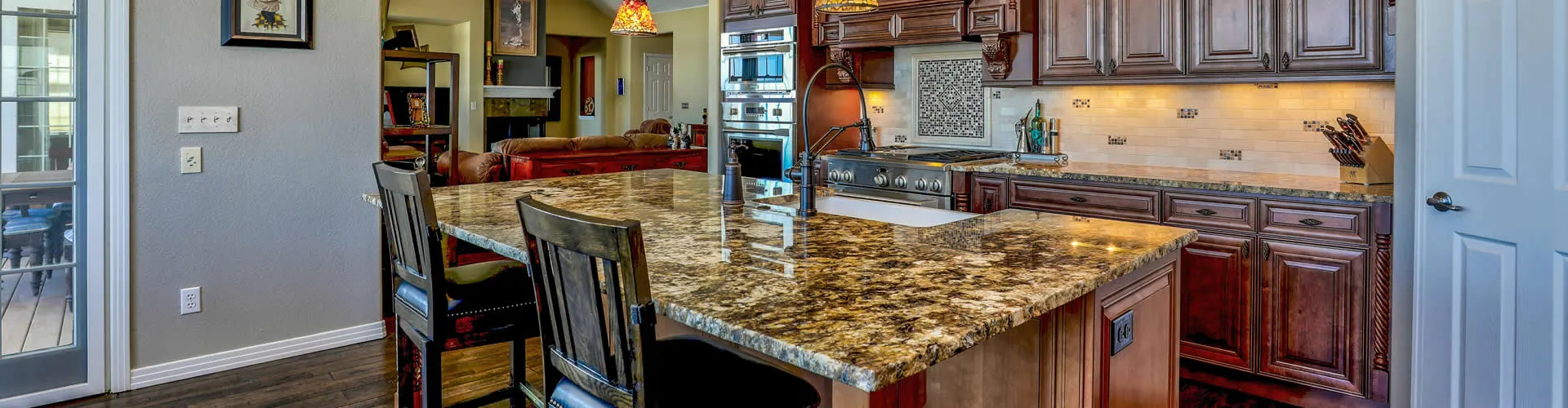

Kitchen Remodeling Designed Around How the Space Is Actually Used
Most kitchens aren’t inefficient because they’re outdated — they’re inefficient because the layout no longer matches how the household moves through the space. In San Francisco and across the Bay Area, kitchen remodeling often focuses on circulation, storage access, and how cooking, cleaning, and gathering overlap within a single room.
Our kitchen remodeling services prioritize workflow before finishes are selected. Cabinet placement, prep zones, appliance spacing, and traffic flow typically determine whether the remodel feels intuitive once completed.
When planning is centered on daily use rather than surface upgrades alone, the results tend to remain functional long after trends change.
If you’re in the early stages of planning, this page will help you understand what to expect.
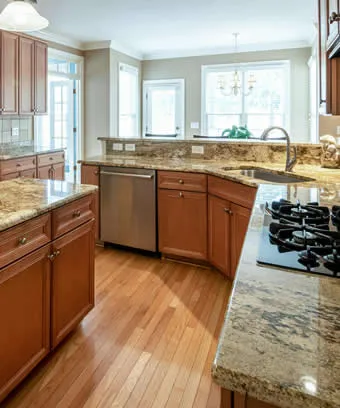
Working with a Kitchen Remodeling Contractor in the Bay Area
Existing plumbing routes, electrical capacity, ventilation paths, and framing conditions often shape what adjustments are feasible without expanding scope unnecessarily, particularly where framing adjustments influence layout flexibility.
In San Francisco and throughout the Bay Area, permit requirements and building variations add another layer of coordination. Rather than approaching layout and construction as separate conversations, both must move in parallel.
When sequencing is handled deliberately, demolition, rough work, and finish installation build on one another instead of competing for space or timeline.
What Changes During a Kitchen Remodel?
The transformation of a kitchen is rarely limited to surfaces. Behind the cabinetry and countertops, adjustments often occur that aren’t immediately visible once the project is complete.
Appliance spacing may shift slightly to improve movement. Storage depth can be rebalanced. Lighting placement is often refined to reduce shadowing over prep areas. In some cases, minor layout revisions improve circulation without altering structural walls, which can also affect adjacent surfaces where flooring transitions need to remain consistent.
Only after these decisions are resolved do installation phases move forward. Cabinets and countertops are set into a framework shaped by earlier structural and mechanical considerations.
What appears simple at the surface level is usually supported by layered coordination beneath it.

If you’re exploring kitchen remodeling options, a consultation can help clarify layout decisions, scope, and sequencing before any work begins.
Planning an Efficient Kitchen Layout
An efficient kitchen layout reduces unnecessary movement and supports natural workflow. Work zones — preparation, cooking, cleaning, and storage — should relate logically to one another without creating congestion.
Counter depth, cabinet height, appliance spacing, and walkway clearance all influence usability. Even small shifts in layout can significantly change how the space feels during daily routines.
Addressing these considerations early in the kitchen remodel process helps prevent costly revisions once installation begins.
Selecting Cabinets, Countertops, and Functional Features
Cabinets and countertops shape both appearance and durability. Material selection typically considers maintenance expectations, wear resistance, and how intensively the kitchen is used.
Storage configuration often has greater long-term impact than surface finish alone. Drawer systems, pantry solutions, and internal organizers can improve accessibility without expanding square footage.
In many Bay Area kitchen remodeling projects, balanced design — materials that are durable, adaptable, and visually consistent — tends to outperform highly stylized choices that may age quickly.
How a Kitchen Remodel Influences Resale Appeal
A well-planned kitchen remodel can strengthen overall home appeal by improving usability and visual clarity. In many Bay Area kitchen remodeling projects, layout efficiency and durable materials tend to influence buyer perception more than decorative upgrades alone.
Market response depends on timing and scope, but kitchens are consistently scrutinized during buyer evaluations.
Focusing on functionality and longevity helps ensure the renovation contributes to long-term value rather than short-term trends.
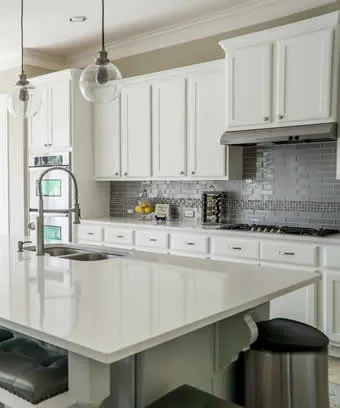
What to Clarify Before Starting a Kitchen Renovation
Before demolition begins, layout decisions, appliance specifications, material selections, and budget parameters should be clearly defined. Permit requirements and anticipated timelines should also be understood in advance.
Temporary kitchen arrangements are often necessary during construction, so planning for that transition reduces disruption.
When priorities are confirmed and materials are selected before work starts, the remodeling phase typically progresses with fewer unexpected adjustments.
Frequently Asked Questions About Kitchen Remodeling
What is the best layout for a kitchen remodel?
The best kitchen layout depends on available space, household needs, and how the kitchen is used daily. Layouts are designed to support efficient movement between cooking, cleaning, and storage areas while minimizing congestion and wasted space.
What are the most popular kitchen remodel features in the Bay Area?
Many Bay Area kitchen remodels prioritize functional storage, durable countertops, efficient lighting, and layouts that integrate with open living spaces. Preferences vary by home style, but practicality and longevity tend to guide most design decisions.
How do I choose cabinets and countertops for a kitchen remodel?
Cabinets and countertops are usually selected based on durability, maintenance needs, and budget. Usage patterns, aesthetic goals, and long-term wear should all be considered to ensure materials remain functional and visually consistent over time.
Can a kitchen remodel improve home resale value?
A kitchen remodel can enhance resale appeal by updating one of the most visible and frequently used areas of a home. While results vary, buyers often view a modern, functional kitchen as a strong selling point.
What should I plan before starting a kitchen remodel?
Planning should include defining goals, confirming layout decisions, selecting materials, and understanding the construction timeline. Early preparation helps reduce mid-project changes and supports a smoother remodeling process overall.
Ready to Start Your Kitchen Remodel?
We can help you evaluate layout options, scope, and sequencing before any decisions are finalized.
Our consultations are informational and designed to help you understand your options—no pressure, no obligation. After you reach out, we’ll schedule a consultation to review your space, goals, and timeline.
Reaching out doesn’t commit you to a project.
Contact Us