
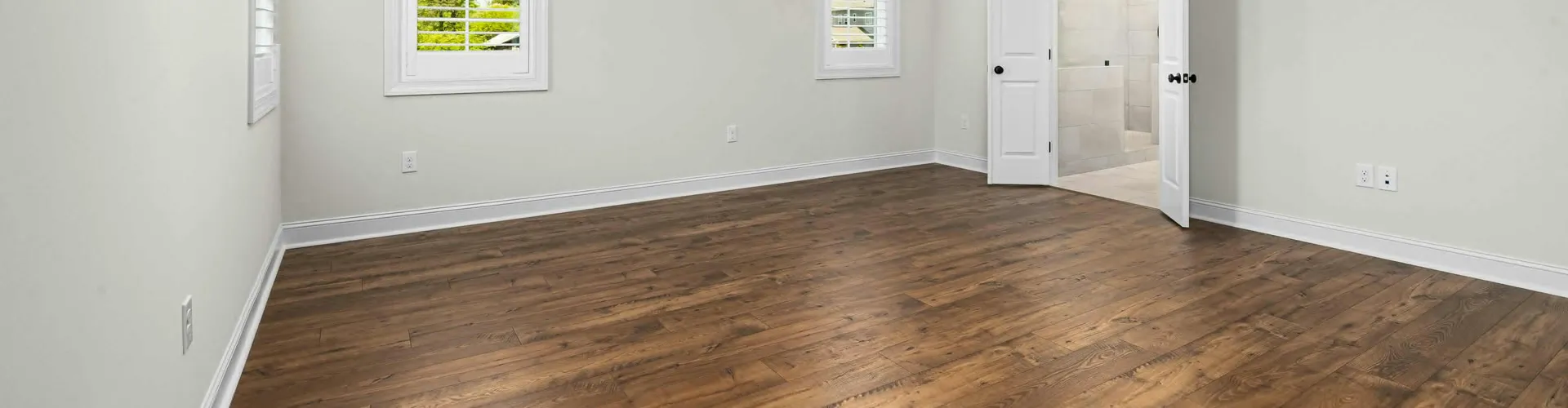

Planning a Full Home Renovation with Structure and Clarity
Renovating an entire home changes more than finishes — it changes how the space functions as a connected system. When kitchens, bathrooms, flooring, lighting, and structural elements are addressed together, decisions made in one area directly influence outcomes in another.
In San Francisco and across the Bay Area, full home renovations often involve rethinking circulation, updating aging infrastructure, and aligning multiple rooms under one coordinated plan. The complexity isn’t just in construction; it’s in sequencing decisions so the project progresses without conflict or redundancy.
A whole home renovation works best when approached holistically rather than room by room, with planning that accounts for structure, systems, and long-term livability.
If you’re in the early stages of planning, this page will help you understand what to expect.

Working with a Home Renovation Contractor in the Bay Area
A large-scale renovation requires coordination beyond individual trades. A home renovation contractor in the Bay Area manages sequencing, inspections, material timing, and site logistics so construction unfolds in a logical order from demolition through final walkthrough.
Across San Francisco and surrounding communities, permitting requirements and older housing stock add layers of complexity. Structural considerations, system upgrades, and inspection timing must align before finishes can move forward.
When multiple rooms are under construction simultaneously, disciplined planning and communication become as important as craftsmanship.
What Changes During a Full Home Renovation?
Whole home renovation services typically unfold in stages rather than isolated upgrades.
Selective demolition exposes framing, plumbing, and electrical systems for evaluation. Layout refinements or structural adjustments are addressed where needed. Insulation, drywall, and core system coordination follow only after underlying conditions are resolved.
Flooring, cabinetry, tile, lighting, paint, and fixtures come later — once the foundational work is complete, especially when floor material changes and custom woodwork elements are aligned with earlier structural decisions.
Clear scope definition early in the project reduces midstream revisions and helps keep sequencing predictable.

If you’re exploring options for your home, a consultation can help clarify scope, sequencing, and next steps before any work begins.
How a Full Home Renovation Moves from Concept to Completion
Most full home renovation projects follow a deliberate progression. Planning and scope definition come first, followed by design development and material selections. Permits are secured when required before demolition begins.
Rough construction and system updates are completed prior to inspections. Once approvals are in place, finish installation advances room by room until the final walkthrough confirms alignment with the agreed plan.
Early clarity supports steadier construction. When decisions are made in advance and sequencing is respected, the renovation tends to move more efficiently with fewer avoidable delays.
Which Areas of the Home Are Usually Included?
Kitchens and bathrooms are frequently updated, but living areas, bedrooms, hallways, and transitional spaces often require coordination as well — particularly when kitchen layout changes and wet-area upgrades influence how adjacent spaces function.
The objective isn’t simply to modernize individual areas. It’s to ensure that finishes, proportions, and systems feel cohesive once construction is complete.
Which rooms are included depends on how the home functions today, what constraints exist in the current layout, and whether the renovation is focused on modernization, reconfiguration, or long-term planning.
Can a Home Renovation Improve Energy Performance?
Energy performance can improve during a home renovation when upgrades such as insulation improvements, air sealing, efficient lighting, or window replacements are included in the scope. Because walls and finishes are often opened during construction, opportunities may arise to address performance considerations that would otherwise remain inaccessible.
Results depend on the home’s existing condition and the improvements selected. Integrating efficiency discussions early allows updates to be incorporated intentionally rather than added later.
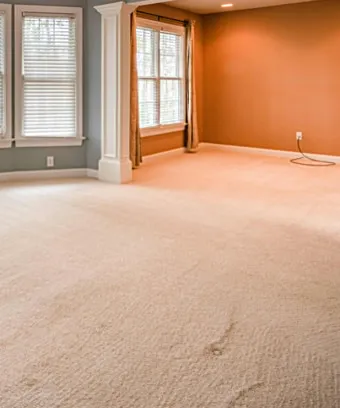
Managing the Complexity of Large Renovation Projects
Large renovation projects involve overlapping trades, material lead times, inspections, and scheduling dependencies across multiple rooms. Maintaining order within that complexity is essential to keeping the timeline stable.
Project management typically includes coordinating trade sequencing, preparing for inspections, ensuring material readiness, protecting finished areas, and monitoring daily progress.
Clear communication allows homeowners to stay informed without becoming responsible for managing construction logistics themselves.
Frequently Asked Questions About Full Home Renovation
What is included in a full home renovation project?
A full home renovation often includes planning, demolition, rough construction coordination, and finish work such as flooring, paint, cabinetry, tile, and fixtures across multiple rooms. The exact inclusions depend on your goals and the home’s existing condition.
How does a full home renovation process work step by step?
Most renovations follow evaluation and planning, design and selections, permitting when required, demolition, rough work and inspections, finish installation, and a final walkthrough. Early decisions help reduce changes later.
What rooms are typically renovated in a full home renovation?
Kitchens, bathrooms, living areas, bedrooms, hallways, and shared spaces are commonly included, along with flooring, lighting, and paint throughout the home.
Can a home renovation improve energy efficiency?
Yes, when renovations include insulation, air sealing, efficient lighting, or system upgrades. Results depend on existing conditions and selected improvements.
How do contractors manage large home renovation projects?
Contractors manage sequencing, scheduling, trade coordination, inspections, and communication so work progresses smoothly across rooms.
Start Planning Your Home Renovation
Large renovation projects benefit from early planning and clear expectations.
Our consultations are informational and designed to help you understand your options—no pressure, no obligation. After you reach out, we’ll schedule a consultation to review your space, goals, and timeline.
Reaching out doesn’t commit you to a project.
Contact Us