
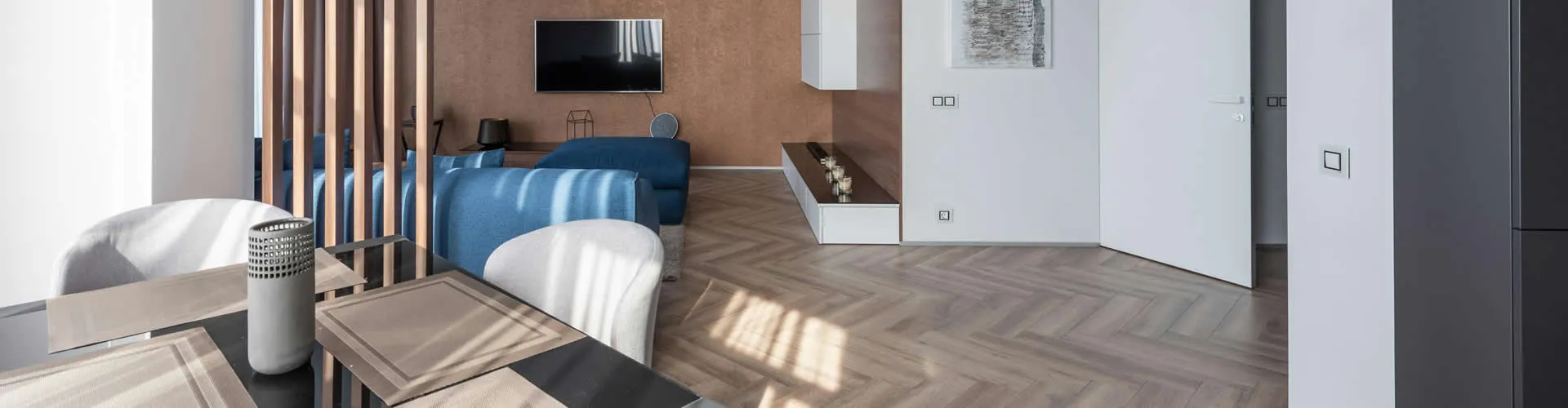
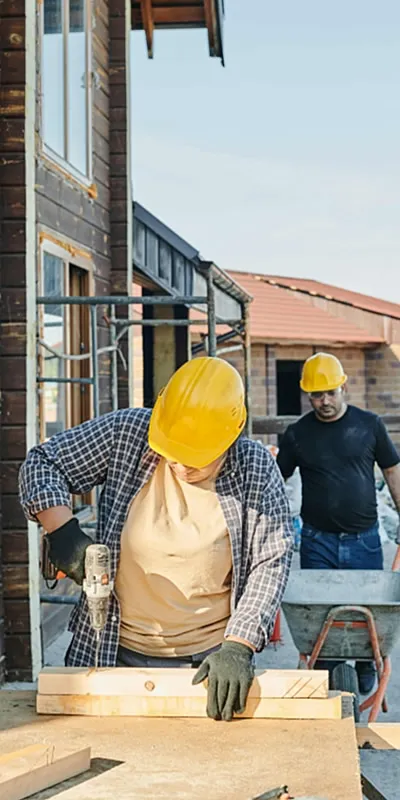
Flooring Shapes How a Home Feels Underfoot
Floors are the most consistently used surface in a home, yet they’re often evaluated only for appearance. In reality, flooring performance depends just as much on what sits beneath it as what’s visible on top. Subfloor condition, moisture exposure, structural movement, and room usage all influence how well a flooring installation holds up over time.
Across San Francisco and the Bay Area, homes vary widely in age and construction method. That variability makes preparation and material compatibility just as important as surface selection.
Durability begins below the finish layer.
If you’re in the early stages of planning, this page will help you understand what to expect.
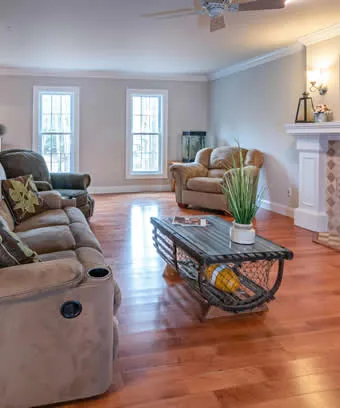
Integrating New Flooring with Existing Structure
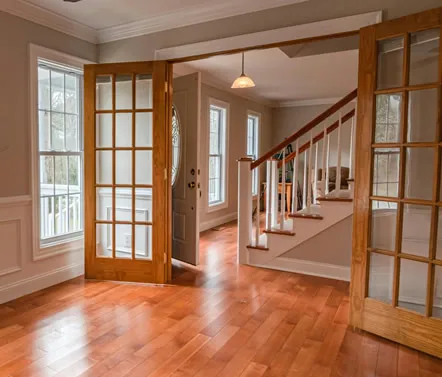
Flooring doesn’t exist in isolation. It meets baseboards, cabinetry, door thresholds, stair edges, and adjacent rooms, particularly where built-in features or trim elements define transitions. Height transitions, expansion gaps, and substrate preparation all affect how cleanly a new floor integrates into the home.
In older Bay Area properties, uneven subfloors or legacy materials may require leveling or reinforcement before installation begins. A flooring contractor in the Bay Area evaluates these structural variables early so material selection and installation methods align with existing conditions.
Successful flooring renovation depends on how well the surface layer and the structural layer interact.
What Happens During a Flooring Renovation?
The visible installation is only one phase of the work. Removing existing flooring exposes the subfloor, which is evaluated for flatness, stability, and moisture conditions.
Surface preparation may involve leveling compounds, underlayment installation, or localized repair before new material is placed. Only once the base is stable does flooring installation in San Francisco homes typically move forward, accounting for environmental factors such as humidity variation and structural movement.
Transitions, edge detailing, and final sealing complete the process, ensuring the floor functions as a continuous surface rather than a patchwork of materials.

If you’re comparing flooring options for your home, a consultation can help evaluate material compatibility, subfloor condition, and realistic installation timelines before work begins.
Choosing Flooring Materials for Bay Area Homes
In many cases, cost-effective home remodeling comes down to choosing materials and methods that support performance, especially when coordinated with broader renovation work. Foot traffic, moisture exposure, sunlight, pets, and maintenance expectations all influence performance over time.
Hardwood offers longevity when installed over a stable substrate. Laminate and engineered products provide dimensional stability in areas where moisture or temperature fluctuation is a concern. Vinyl options often prioritize water resistance and ease of maintenance.
The best choice isn’t universal — it’s situational.
Hardwood, Laminate, and Vinyl: Practical Considerations
Each flooring type behaves differently once installed. Hardwood expands and contracts with humidity changes. Laminate relies on a stable underlayment for long-term integrity. Vinyl products vary in thickness and core composition, affecting both durability and feel underfoot.
Understanding how materials respond to environmental conditions helps prevent premature wear or movement.
Performance is determined by compatibility between material and environment.
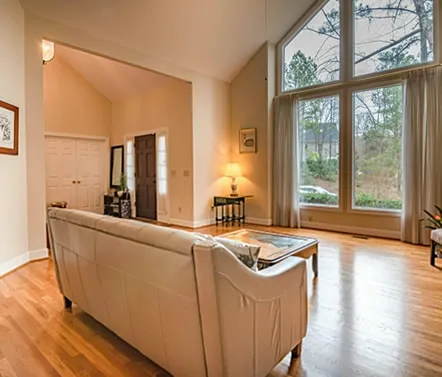
Flooring in Kitchens and Bathrooms
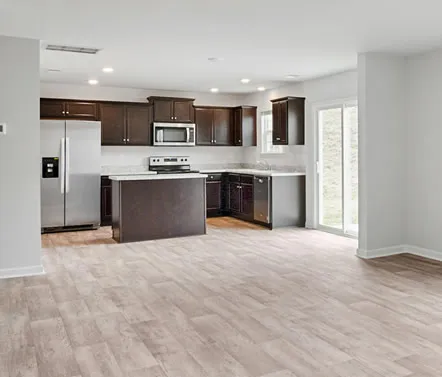
Kitchens and bathrooms introduce additional stress through moisture and frequent cleaning. Material choice and installation technique must account for water exposure, spill risk, and long-term maintenance.
Seams, transitions, and edge treatments play a larger role in these rooms than in dry living spaces.
Durability in high-use areas is shaped by planning as much as product selection.
How Flooring Influences Overall Home Appeal
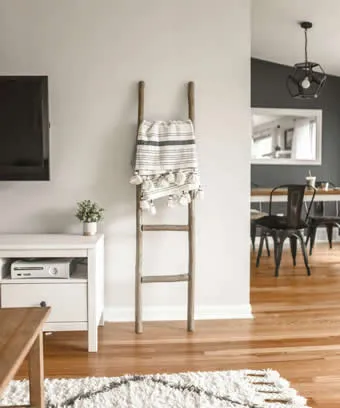
Consistent flooring can unify rooms visually and improve how space flows from one area to another. Updated surfaces often make interiors feel cleaner and more cohesive.
Impact on resale varies by market and material choice, but well-installed flooring is typically associated with care and maintenance.
Longevity and craftsmanship tend to matter more than trend-driven finishes.
How New Flooring Can Impact Home Value
New flooring can improve a home’s overall appeal by creating a cohesive and updated look. While impact on value varies, clean and well-installed flooring is often viewed positively by homeowners and buyers alike.
Quality installation and appropriate material selection support long-term benefits.
Frequently Asked Questions About Flooring Services
What flooring options are best for Bay Area homes?
The best flooring options depend on climate considerations, room usage, and maintenance preferences. Many homeowners prioritize durability, moisture resistance, and materials that complement their home’s design and lifestyle needs.
How do I choose between hardwood, laminate, and vinyl flooring?
Choosing between these options involves comparing durability, maintenance requirements, appearance, and installation considerations. Each material performs differently depending on how and where it is used.
What flooring works best for kitchens and bathrooms?
Flooring in kitchens and bathrooms should handle moisture and frequent foot traffic. Materials designed for durability and easy maintenance are commonly selected for these areas.
How long does flooring installation usually take per room?
Installation time varies depending on flooring type, room condition, and preparation needs. Some rooms may be completed quickly, while others require additional steps before installation.
How does new flooring impact home value?
New flooring can enhance visual appeal and improve overall impressions of a home. While results vary, updated flooring is often associated with improved marketability and perceived value.
Get Started on Your Flooring Upgrade
We can help you compare flooring options based on use, durability, and maintenance needs.
Our consultations are informational and designed to help you understand your options—no pressure, no obligation. After you reach out, we’ll schedule a consultation to review your space, goals, and timeline.
Reaching out doesn’t commit you to a project.
Contact Us