
Carpentry Defines How Structure and Detail Come Together
Carpentry shapes both the bones of a space and the details that finish it. Behind drywall, framing determines alignment and load distribution. At the surface, trim, built-ins, and millwork define how rooms feel proportionally and visually.
In San Francisco and across the Bay Area, carpentry services in the Bay Area often require adaptation to homes that vary widely in age and construction method. That variability calls for adjustments — whether reinforcing structural elements or integrating new finishes into existing framing.
Precision at both levels determines whether a renovation feels cohesive or disjointed.
If you’re in the early stages of planning, this page will help you understand what to expect.
Integrating Carpentry into Renovation Projects
Carpentry rarely stands alone and is often part of larger renovation scopes involving whole-home changes or adjustments to key living areas. Framing modifications may support layout changes, while finish carpentry connects cabinetry, floor material changes, doors, and architectural features into a unified result.
Alignment matters. Even small inconsistencies in framing or trim installation can become noticeable once finishes are complete. In San Francisco homes especially, a carpentry contractor in San Francisco often works within existing structural irregularities, adjusting installations to accommodate settlement or legacy construction techniques.
Well-executed carpentry supports both structural integrity and visual continuity.
Structural Framing and Layout Adjustments
Framing work influences how spaces are defined and supported. Wall modifications, header adjustments, and reinforcement elements must align with load paths and surrounding systems.
Because structural carpentry interacts with plumbing, electrical, and HVAC components, coordination is essential. Framing changes are often evaluated alongside these systems to ensure compatibility before work proceeds.
Stability and alignment form the foundation for everything installed afterward.
If you’re evaluating carpentry needs for a renovation, an early discussion can help define scope before construction begins.
Finish Carpentry and Architectural Detailing
Finish carpentry brings visible refinement to a renovation. Trim profiles, casing alignment, baseboards, paneling, and built-ins shape how rooms feel and transition into one another.
Proportion and fit are as important as material choice. Clean joints, consistent spacing, and accurate alignment influence how finished spaces are perceived.
Detail work requires patience and precision to ensure that elements sit correctly within the structure built beneath them.
Custom Built-Ins and Functional Woodwork
Custom carpentry allows features to be tailored to the dimensions of a specific room rather than relying on standardized sizing. Shelving systems, window seating, storage solutions, and integrated cabinetry can improve usability without altering structural layout.
Measurements must account for wall irregularities, floor leveling variations, and ceiling alignment. In older homes, adjustments are often necessary to ensure built-ins integrate seamlessly.
Customization succeeds when it respects the realities of the structure it’s joining.
Carpentry Solutions for Older Homes
Older Bay Area homes often include uneven framing, legacy materials, or non-standard dimensions. Carpentry work in these environments requires careful measurement and adaptation rather than assumption.
Surface alignment may need correction before finish elements are installed. Structural reinforcement may be required before visible upgrades can proceed.
Working within existing conditions, rather than forcing uniformity, helps preserve character while improving functionality.
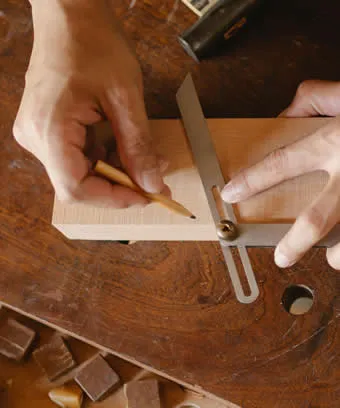
How Carpentry Influences Overall Interior Design
Carpentry quietly shapes how spaces are perceived. Door proportions, trim thickness, built-in depth, and architectural transitions influence visual balance across rooms.
When detailing is consistent, spaces feel intentional. When proportions are misaligned, even high-end finishes can feel disconnected.
Thoughtful carpentry strengthens the relationship between structure and design.
Frequently Asked Questions About Carpentry Services
What types of carpentry work are included in home remodeling?
Carpentry work in home remodeling often includes framing modifications, finish carpentry, trim installation, custom built-ins, and structural adjustments. The specific scope depends on how carpentry supports the overall renovation plan.
How does custom carpentry improve a home renovation?
Custom carpentry allows elements to be tailored to the room’s dimensions and structural conditions. This improves fit, usability, and visual cohesion compared to standardized components.
What is the difference between rough and finish carpentry?
Rough carpentry focuses on structural framing and load-bearing elements, while finish carpentry addresses visible detailing such as trim, molding, and built-ins. Both contribute to the overall outcome of a renovation.
Can carpentry work be customized for older homes?
Yes. Carpentry can be adapted to accommodate uneven surfaces, legacy framing methods, and non-standard dimensions common in older homes.
How does carpentry enhance interior home design?
Carpentry enhances design by defining proportions, transitions, and detailing throughout a space. Consistent alignment and thoughtful execution help create visual balance and cohesion.
Discuss Your Carpentry Needs with a Licensed Contractor
Carpentry needs vary depending on structural conditions and design goals.
Our consultations are informational and designed to help you understand your options—no pressure, no obligation. After you reach out, we’ll schedule a consultation to review your space, goals, and timeline.
Reaching out doesn’t commit you to a project.
Contact Us